Should You Buy a Used GPU Instead of New in 2026?Production cuts are inflating current-gen prices weekly — here's when a used last-gen card is the smarter buy
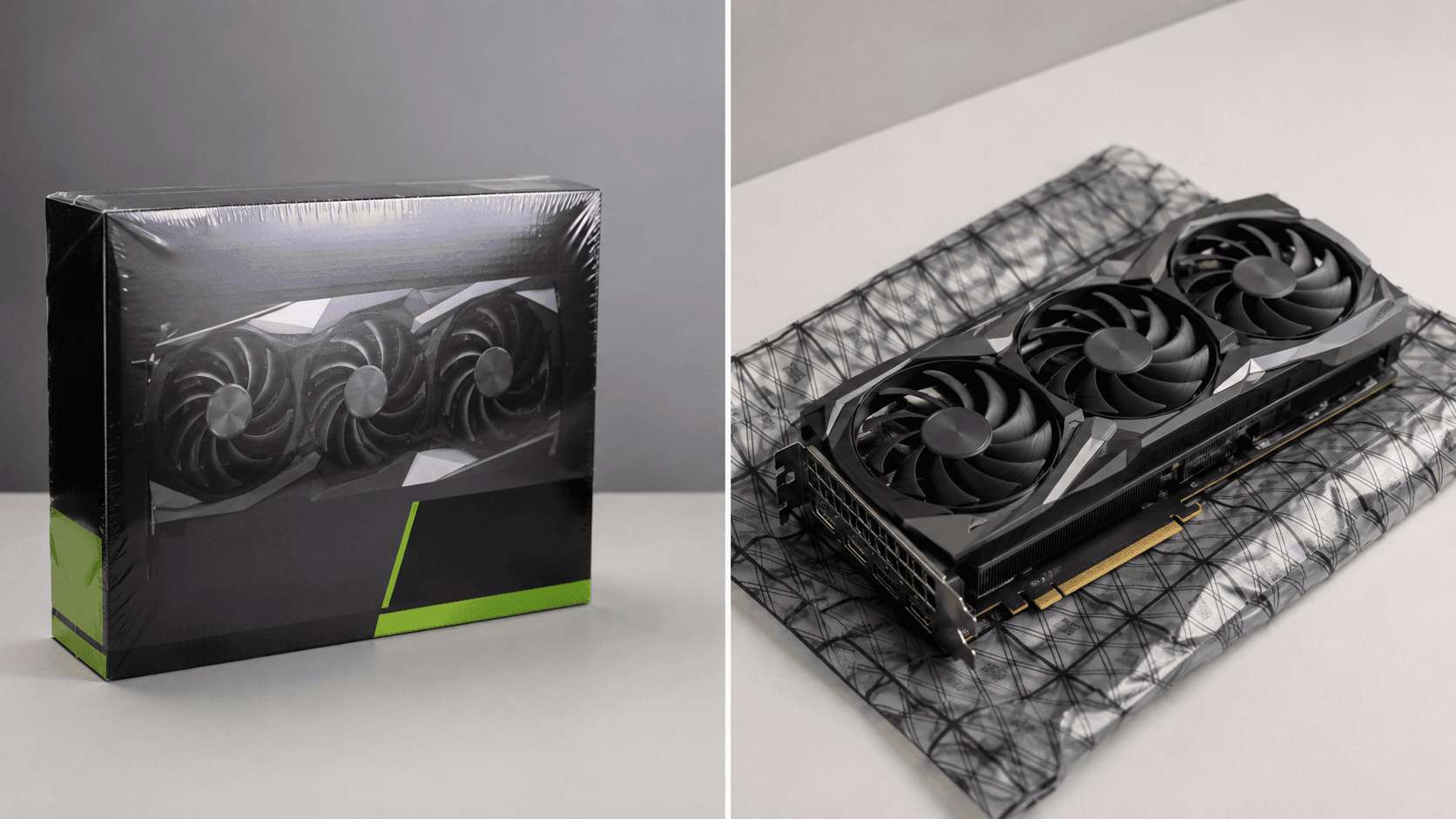
I've checked GPU prices for this site every week for the past two months, and I watched the RTX 5060 Ti 16GB go from $570 to $805 without a single hardware change. Nothing got faster. Nothing got rarer than it already was. The price moved because Nvidia cut production and buyers panicked. Meanwhile, a used RTX 4070 Ti Super — a card that's within a few percentage points of the new RTX 5070 Ti in real benchmarks — barely moved at all. That gap is the whole story of this article.
My verdict: buy used for RTX 4070 Ti Super or RX 7800 XT class cards right now. The performance gap to current-gen new cards doesn't justify the premium, and that gap has widened, not narrowed, since production cuts started. Buy new only if warranty certainty as the original owner matters to you, you need a Blackwell-exclusive feature like DLSS 4.5 Multi-Frame Generation, or you land a rare near-MSRP deal. Below is the actual pricing and benchmark math behind that call, plus how to buy used without getting burned.
What This Guide Covers
1. The Direct Answer
Buy used. If you're shopping in the RTX 4070 Ti Super or RX 7800 XT class right now, a used card is the better purchase than the new-gen equivalent above it. The RTX 4070 Ti Super used is within 2–11% of the new RTX 5070 Ti in benchmarks while costing $300 or more less. The RX 7800 XT used is actually faster than the new RTX 5060 Ti 16GB while costing less than half as much. Neither of those gaps existed by accident — they exist because new-card prices have been climbing weekly while used prices have barely moved.
Buy new instead only if one of three things is true for you: you want the warranty certainty of being the original owner, you specifically need a Blackwell-exclusive feature like DLSS 4.5 Multi-Frame Generation, or you happen to find a new card at a price close to MSRP — which still exists, just rarely. For most buyers in this price bracket, none of those three apply, and the used card is the obvious call.
2. Why the Math Changed: Production Cuts Are Repricing New Cards Weekly
This is a new-card problem, not a used-card problem, and the numbers make that obvious. The RTX 5060 Ti 16GB went from roughly $570 in June 2026 to a median of about $805 by mid-August — a 39% jump in two months that leaves it 88% above its $429 MSRP. The RTX 5070 followed the same curve: about $660 in June to roughly $900 now, a 36% increase and 64% above MSRP. The RTX 5070 Ti currently sits at $919–$1,180 depending on retailer and model. None of these cards got faster or scarcer in a way that would explain the increase on its own — production has been throttled, and buyers are competing for a shrinking supply of new-gen stock.
Used prices have not followed that curve, because the used market isn't constrained by the same production decisions. A used RTX 4070 Ti Super has held steady at $784–$803 on eBay over the past three months. A used RX 7800 XT is sitting at $475–$493. Whatever is driving new-card prices up week over week simply isn't touching the used market in the same way — which is exactly why the price gap between a used last-gen card and a new current-gen card has widened instead of closing. If you want the full breakdown of what's pushing GPU prices up in general right now, I covered that separately in Are GPU Prices About to Rise Because of the RAM Shortage?
3. RTX 4070 Ti Super vs RTX 5070 Ti: The Case for Skipping New Blackwell
Start with the performance gap, because it's smaller than the generational jump implies. Technical.city's aggregate benchmark data puts the RTX 5070 Ti just 2% ahead of the RTX 4070 Ti Super. Club386's 1440p and 4K rasterization testing shows a wider but still modest 11–14% gap. Call it 2–11% depending on which suite you trust — either way, it's not a generational leap.
Now the price. A used RTX 4070 Ti Super runs $784–$803 on eBay, stable for three months. A new RTX 5070 Ti runs $919–$1,180. That's a price gap of $300 or more for a performance gap of, at most, 11%. Both cards carry 16GB of VRAM [VERIFY: RTX 4070 Ti Super memory type — confirm GDDR6X vs GDDR7 before publishing], and the 4070 Ti Super draws 285W on Ada Lovelace versus 300W for the 5070 Ti's GB203 Blackwell die — not a meaningful difference either way.
The one real advantage on the new-card side is DLSS 4.5 Multi-Frame Generation, which is Blackwell-exclusive and doesn't run on the 4070 Ti Super. My take: unless MFG specifically matters to you — you play titles that support it and you care about the frame-generation multiplier it adds — paying $300-plus more for 2–11% more raw performance isn't a good trade. The used 4070 Ti Super is the stronger value here, full stop.
4. RX 7800 XT vs RTX 5060 Ti 16GB: The Clearest Used Win Right Now
This one isn't close. A used RX 7800 XT is both faster and cheaper than a new RTX 5060 Ti 16GB, which is a rare combination in GPU shopping. HowManyFPS's aggregate testing across more than 100 games puts the 7800 XT 24% ahead of the 5060 Ti 16GB on average; dropreference.com's narrower 1440p testing shows a smaller but still real 6% lead. Either number lands in the 7800 XT's favor.
On price, a used RX 7800 XT is running $475–$493 on eBay based on 77 tracked sales, while a new RTX 5060 Ti 16GB is sitting at a median of roughly $805 — up from $570 in June. That means the used card costs less than half what the new one does while also winning the benchmarks. This is the easier of the two comparisons in this article by a wide margin.
The one real counterpoint is power draw. The RX 7800 XT pulls 263W on RDNA 3, compared to just 180W for the RTX 5060 Ti 16GB's Blackwell architecture — a meaningful gap if you're running a tight PSU budget or care about case thermals. Check your PSU headroom before buying, but for most builds with a decent 650W+ power supply, that gap doesn't change the verdict.
5. Buying Used Without Getting Burned: Condition Checks and Warranty Reality
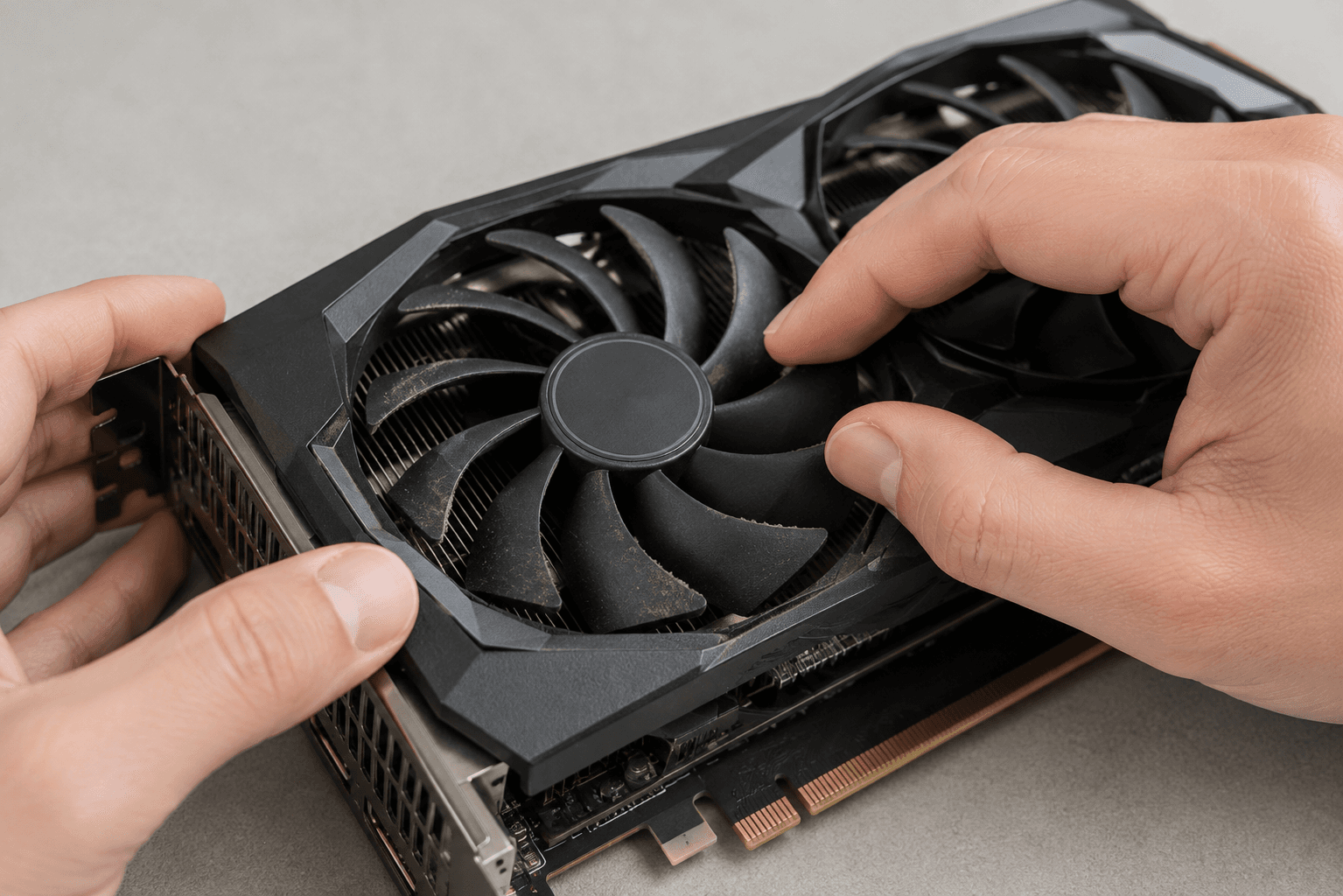
Here's what I'd actually check before buying a used card. Start with the warranty, because the honest answer disappoints most people: it mostly doesn't transfer. AMD's and most AIB partners' warranties are tied to the original purchaser, not the card itself, so buying used generally means buying without a manufacturer warranty. [VERIFY: ASUS/XFX transferable warranty policy — confirm current official language before publishing]
eBay's Authenticity Guarantee doesn't cover graphics cards
Don't assume that protection applies to a used GPU purchase. Per eBay's Help Center, GPUs fall outside the Authenticity Guarantee program — buyers get the standard Money Back Guarantee ("not as described") protection only. That's still real protection, but it's not the same tier eBay offers on watches or sneakers.
With the warranty question settled, the rest comes down to normal used-hardware diligence. I'd ask the seller for a recent benchmark screenshot or a screen recording of the card running under load — normal clocks and normal temperatures tell you more than any listing description will. Look at the photos for fan blade wear and dust buildup, which are the visible signs of a card that's had a hard life. And only buy from a seller offering a real return window; if something's wrong, you want the ability to send it back, not just a Money Back Guarantee claim to file.
One fear I'd specifically talk you out of: worrying about whether the card was used for crypto mining. GPUs follow a bathtub failure curve — most units that are going to fail from a manufacturing defect fail early, and a card that's run reliably for months, mining or otherwise, has already cleared that risk window. Sustained full-load use doesn't meaningfully shorten a modern GPU's remaining lifespan once it's past that initial burn-in period. Visual condition and current running temps matter more than usage history you can't verify anyway. Before you commit to a used purchase, run through our GPU upgrade compatibility checklist — PSU wattage and case clearance apply exactly the same whether the card is used or new.
6. When Buying New Still Makes Sense
The verdict at the top of this article stands for most buyers, but there are three real exceptions. If original-owner warranty peace of mind matters more to you than the price gap, buying new is a legitimate choice, not a mistake. If you specifically want Blackwell-exclusive features like DLSS 4.5 Multi-Frame Generation, that feature simply doesn't exist on last-gen cards at any price. And if you happen to land a new card close to MSRP — rare right now, but not impossible — that deal can beat the used-market math outright. For current-gen tier picks and street prices if you land in one of those camps, see our Best GPU for 1440p Gaming guide.
Frequently Asked Questions
Is it safe to buy a used graphics card in 2026?
Yes, with normal precautions. GPUs follow a bathtub failure curve — most that are going to fail from manufacturing defects do so early, so a card that's run reliably for months is a reasonably safe bet. Buy from a seller with a return window, ask for a recent benchmark screenshot showing normal temps and clocks, and avoid listings with no return policy on anything over $300.
Will a used GPU's warranty transfer to me?
Usually not. AMD's consumer warranty is explicitly tied to the original purchaser, and Sapphire and PowerColor require the original proof of purchase for any claim. [VERIFY: confirm before publishing] Some brands reportedly track by serial number rather than owner, which can make a difference — but don't assume it without checking that brand's current policy.
How can I tell if a used GPU was used for crypto mining?
You mostly can't from the outside, and it mostly doesn't matter. Sustained full-load use doesn't meaningfully shorten a modern GPU's lifespan once it's past early burn-in. What actually matters is the same thing that matters for any used card: does it run at normal temps and clocks right now.
Is the RTX 4070 Ti Super better than the RTX 5070 Ti?
The RTX 5070 Ti is faster, but only by 2–11% depending on the benchmark suite, while typically costing $300 or more more at current street prices. Unless you specifically want DLSS 4.5 Multi-Frame Generation, the 4070 Ti Super used is the stronger value.
Should I buy a used RX 7800 XT or a new RTX 5060 Ti 16GB?
The used RX 7800 XT, in most cases. It benchmarks 6–24% faster depending on the game suite and currently costs less than half what a new RTX 5060 Ti 16GB does. The one tradeoff is power draw — the 7800 XT pulls significantly more, so check your PSU headroom.
What to Read Next
- PC Upgrade Path → The hub page for the full upgrade-order reasoning across every component.
- Should I Upgrade My GPU? → PSU wattage, case clearance, and driver cleanup — the compatibility checklist for any card, used or new.
- Best GPU for 1440p Gaming in 2026 → If you land in one of the buy-new exceptions, this covers current-gen picks by budget tier.
- Are GPU Prices About to Rise Because of the RAM Shortage? → The full breakdown of what's driving new-card prices up and whether it's slowing down.